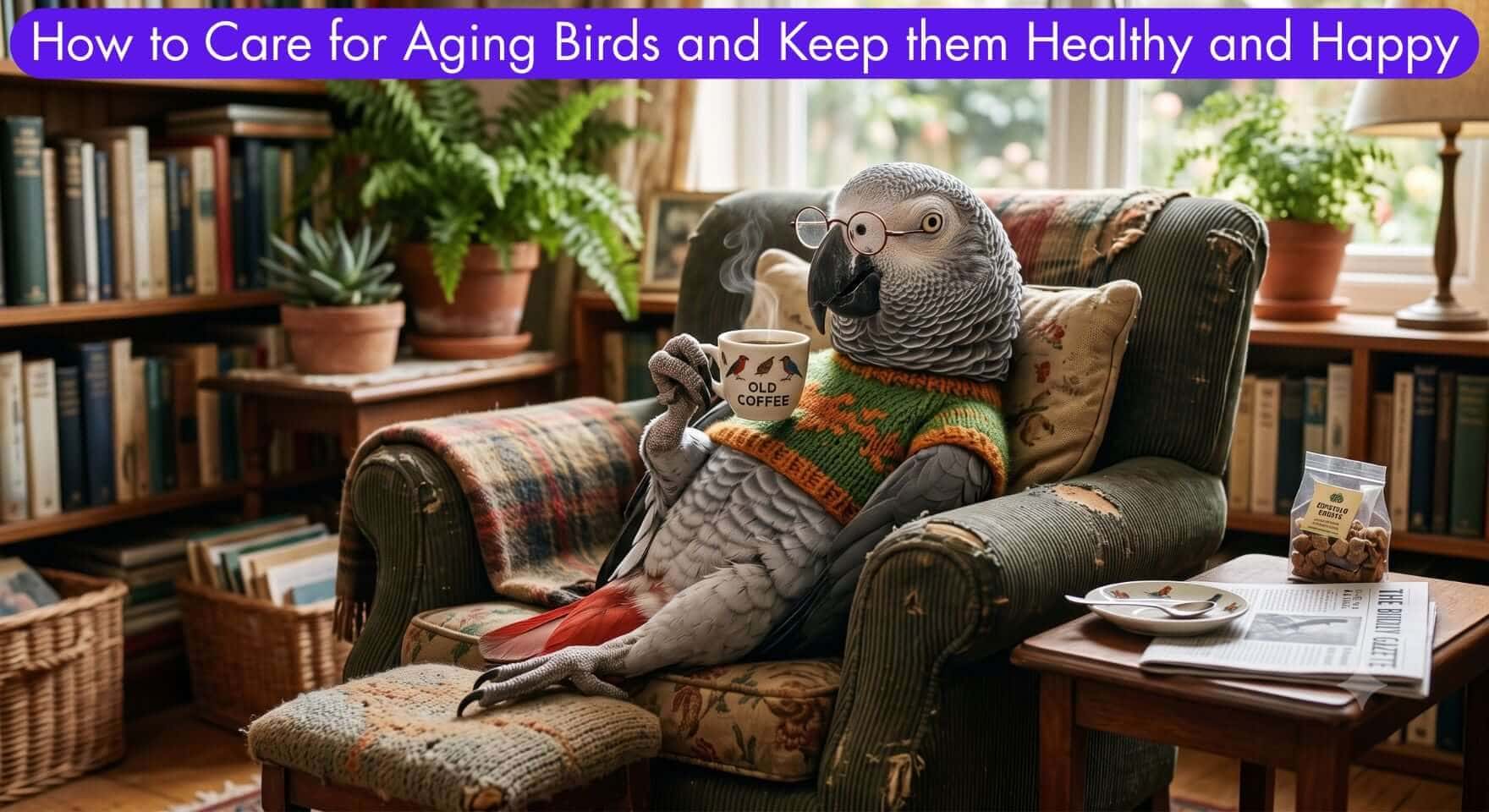
Senior pet bird owners often sense a quiet change before they can name it: a favorite perch goes unused, play turns into resting, or an old routine suddenly seems harder. The core tension is that older bird behavior can look like “just slowing down,” while real avian health challenges, stiff joints, weight shifts, grooming changes, or breathing and digestion troubles, may be building in the background. With better bird lifespan awareness, aging bird care becomes less about panic and more about paying attention with steady, compassionate pet care. The goal is a home where an aging bird stays comfortable, understood, and safely supported.
Quick Summary: Caring for Senior Birds
- Watch for age related changes early and adjust care to keep your bird comfortable and confident.
- Offer avian diet adjustments that support easier eating, steady weight, and overall senior bird health.
- Schedule regular bird vet checkups to catch problems sooner and fine tune daily care.
- Provide gentle exercise for birds and mental stimulation for birds to preserve mobility and joy.
- Create a safer senior bird environment with a more accessible setup that reduces stress and injury risk.
Build a One-Folder System for Avian Records and Emergencies
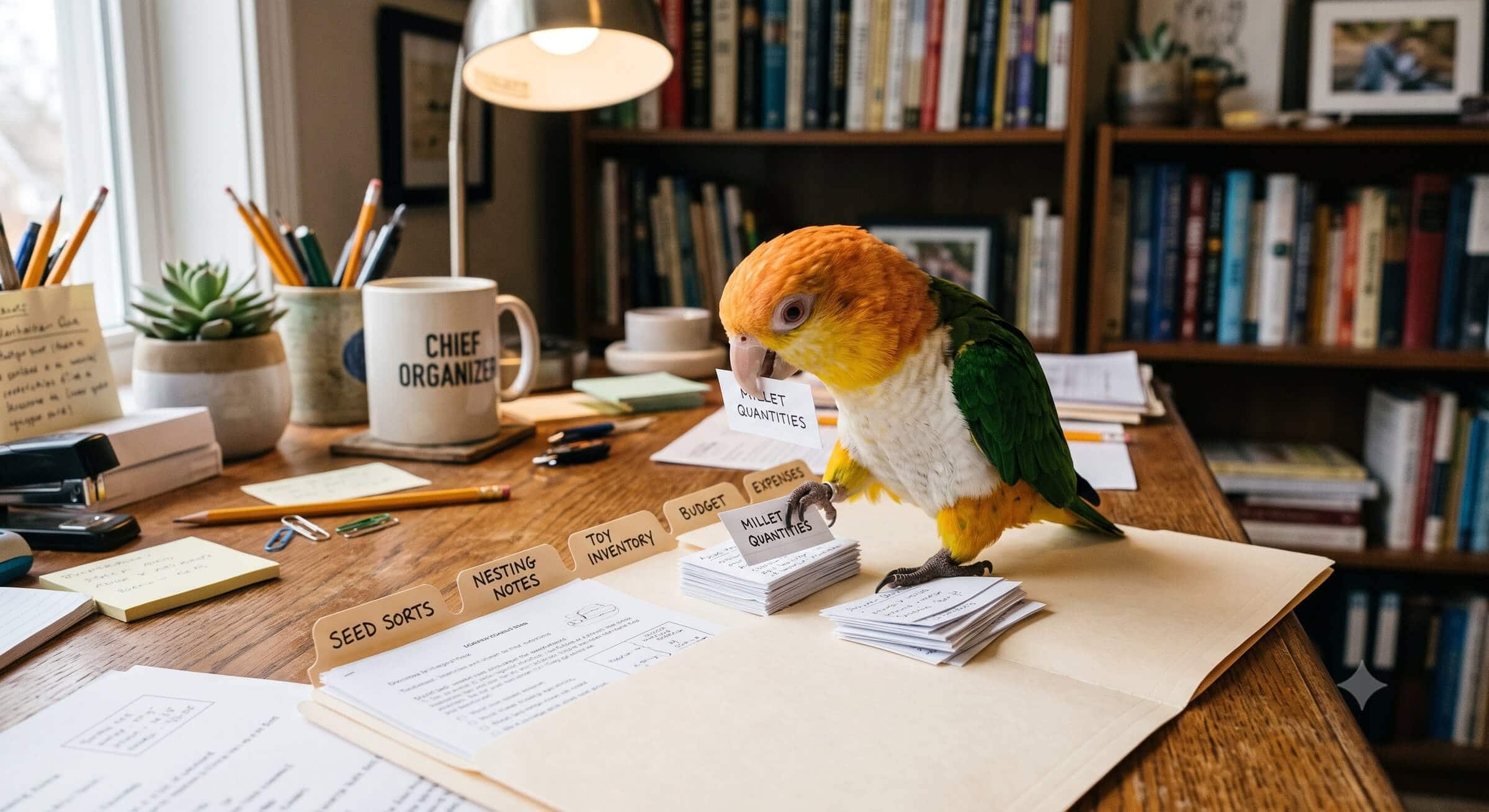
When your bird is aging, having vet notes, medication instructions, weight logs, and emergency care info in one organized, easy-to-find place helps you notice small changes over time, like a slow weight drift or a pattern of symptoms that only shows up in hindsight. It also makes it far simpler to coordinate care with your avian veterinarian and anyone else who might help you day-to-day, because you’re not trying to remember details under pressure. When decisions feel urgent, clear records let you act on what’s been happening, not what you think happened, which supports your bird’s long-term comfort.
Saving key documents as PDFs is especially helpful because they keep the same formatting on any device and are easy to share without pieces going missing. If you need to standardize a mix of photos, scans, and documents, you can have a quick peek at a free online tool that converts many file types into PDFs. With your records ready to grab, you’ll be set up to follow a simple daily routine that supports senior bird health step by step.
Build a Simple Daily Routine for Senior Bird Care
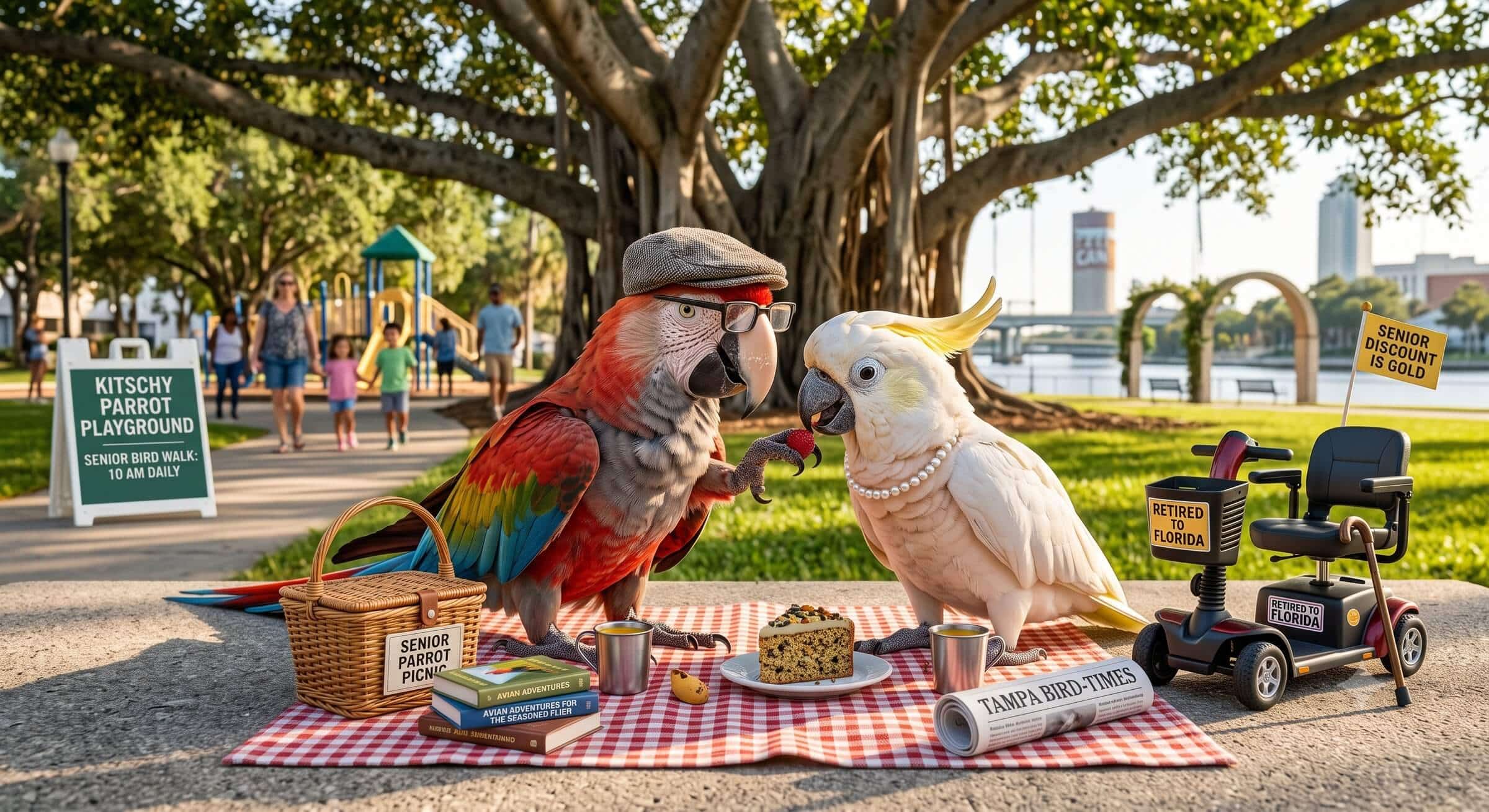
Your notes are organized, so now you can turn them into a routine you can actually keep. This simple flow helps you meet your older bird’s needs without guessing, and it makes small changes easier to spot before they become big problems.
- Set a calm baseline each morning
Start with a quick check: appetite, droppings, posture, breathing, and whether your bird is perching and moving normally. Weigh on a consistent schedule if your vet has recommended it, and jot anything unusual in your log. This baseline keeps you from dismissing slow changes as “just age.” - Feed for comfort and steady energy
Choose meals that are easy to eat and consistent day to day, then adjust slowly if your bird struggles with hard foods or loses interest. Offer fresh water in a familiar spot and refresh it often since older birds can dehydrate faster. Track what gets eaten so you can tell the difference between picky moments and a real appetite shift. - Add gentle movement, not a workout
Start with short, low-stress sessions like a few minutes of walking, climbing, or easy flapping practice near a stable perch. The idea behind low-impact exercise like short walks is to keep joints and muscles engaged without exhausting your bird. Stop early if you notice heavy breathing, trembling, or reluctance to move. - Schedule small mental wins every day
Rotate one simple enrichment option daily, such as a foraging cup, a new safe texture to explore, or a tiny training moment. Plan bird training goals for the month as a reminder to keep challenges bite-sized and achievable. For senior birds, confidence-building beats complexity. - Make the environment senior-friendly and keep watching
Confirm the cage layout supports easy access: lower favorite perches, add grippy surfaces, and keep food and water within a short step. Reduce hazards by avoiding drafts, slippery landings, and cluttered flight paths, then re-check your bird’s comfort later in the day. If something feels “off,” use your records to call your avian vet with clear details.
Senior Bird Care Questions, Answered
Q: What aging signs are usually normal in older birds?
A: Many senior birds gradually look a little less “polished,” including thinning feathers and slower, more careful movement. Mild sleepiness and a preference for familiar routines can also be typical. What matters most is that the change is gradual, not sudden.
Q: When is a bird vet visit the safest next move?
A: Go sooner if you see breathing effort, tail bobbing, repeated falls, blood, vomiting, sudden weakness, or a fast drop in appetite. A same day call is also smart if droppings change sharply for more than a day. When in doubt, trust your gut and bring your notes.
Q: How can I adjust food without upsetting my bird’s digestion?
A: Keep the core diet consistent and make changes slowly over 7 to 14 days. Offer softer, easy to hold options if chewing seems tiring, and make water extra accessible. If weight shifts or appetite stays low for more than 24 hours, call your avian vet.
Q: Can my older bird still exercise safely if joints seem stiff?
A: Yes, gentle movement is often helpful, especially if it stays voluntary and short. The cue from stop transporting your bird is to invite independent walking or flying to a nearby perch instead of being carried everywhere. Stop if you notice heavy breathing, trembling, or refusal.
Q: Why has my bird gotten clingier, crankier, or quieter lately?
A: Aging can change confidence, hearing, vision, and tolerance for noise, so behavior can shift even in a loved, well cared for home. Keep days predictable, offer simple enrichment, and handle more slowly. If personality changes come with pain signs, plucking, or sudden aggression, a vet check can rule out discomfort.
Small Daily Choices That Support Your Senior Bird’s Health
Loving an aging bird can feel like a constant question, what’s normal slowing down, and what’s a sign something needs help now? The steadier path is a compassionate bird ownership mindset: notice patterns, respond early, and keep ongoing senior bird care simple and consistent. When those small choices become routine, enhancing quality of life for birds stops feeling mysterious, and long-term avian health becomes something a bird owner's commitment can actually support. Senior bird care is built on small, consistent kindness, not perfect days.