
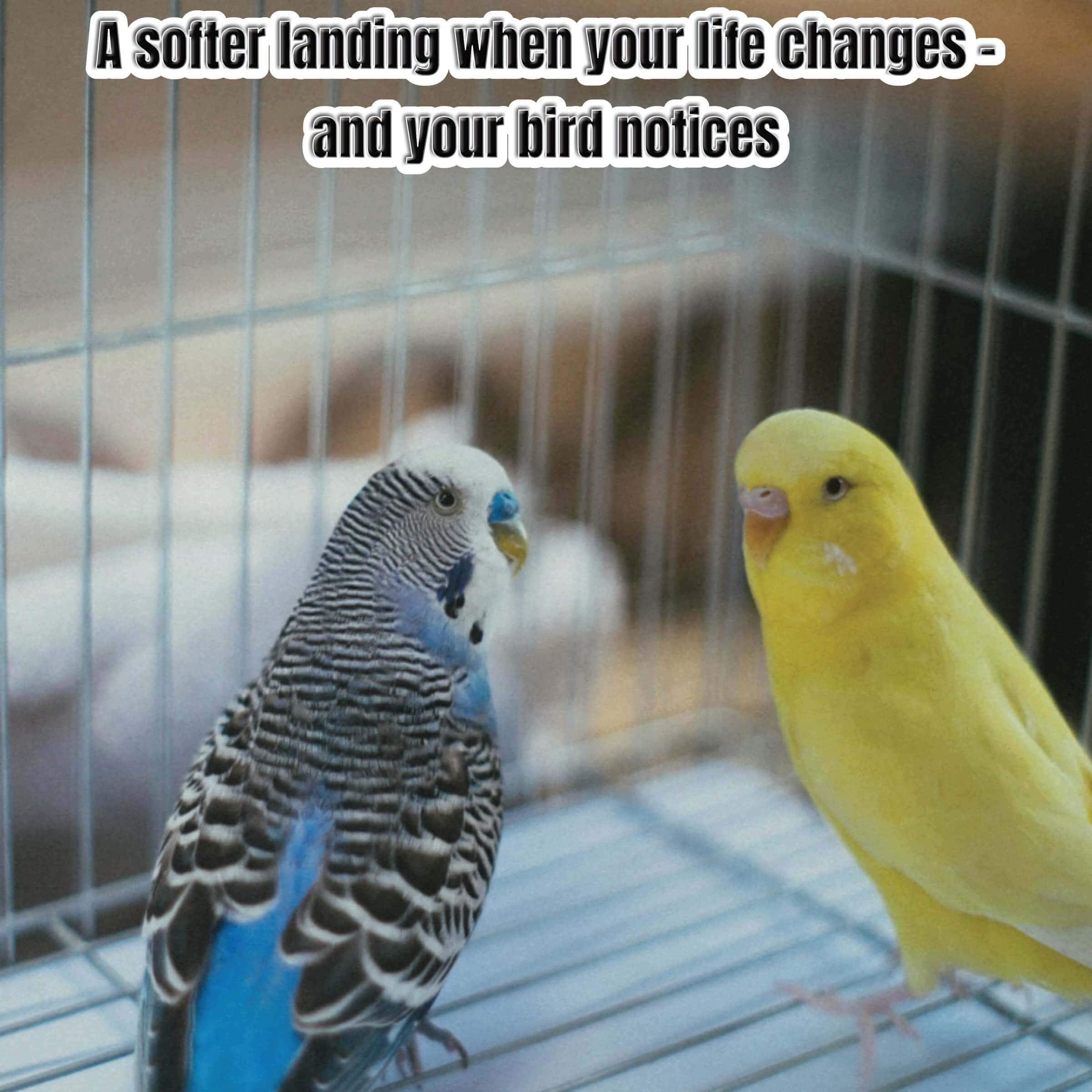
You can rearrange your entire life in a week and still expect your bird to act like nothing happened. Then the pacing starts. The sharp little calls. The refusal to step up. And you realize your bird isn’t being difficult. Birds live inside patterns. Light, sound, feeding time, your footsteps, your voice at certain hours. When those patterns shift, even for good reasons, their sense of safety wobbles. Big life changes don’t just happen to you. They happen to them, too.
Moving to a New Home
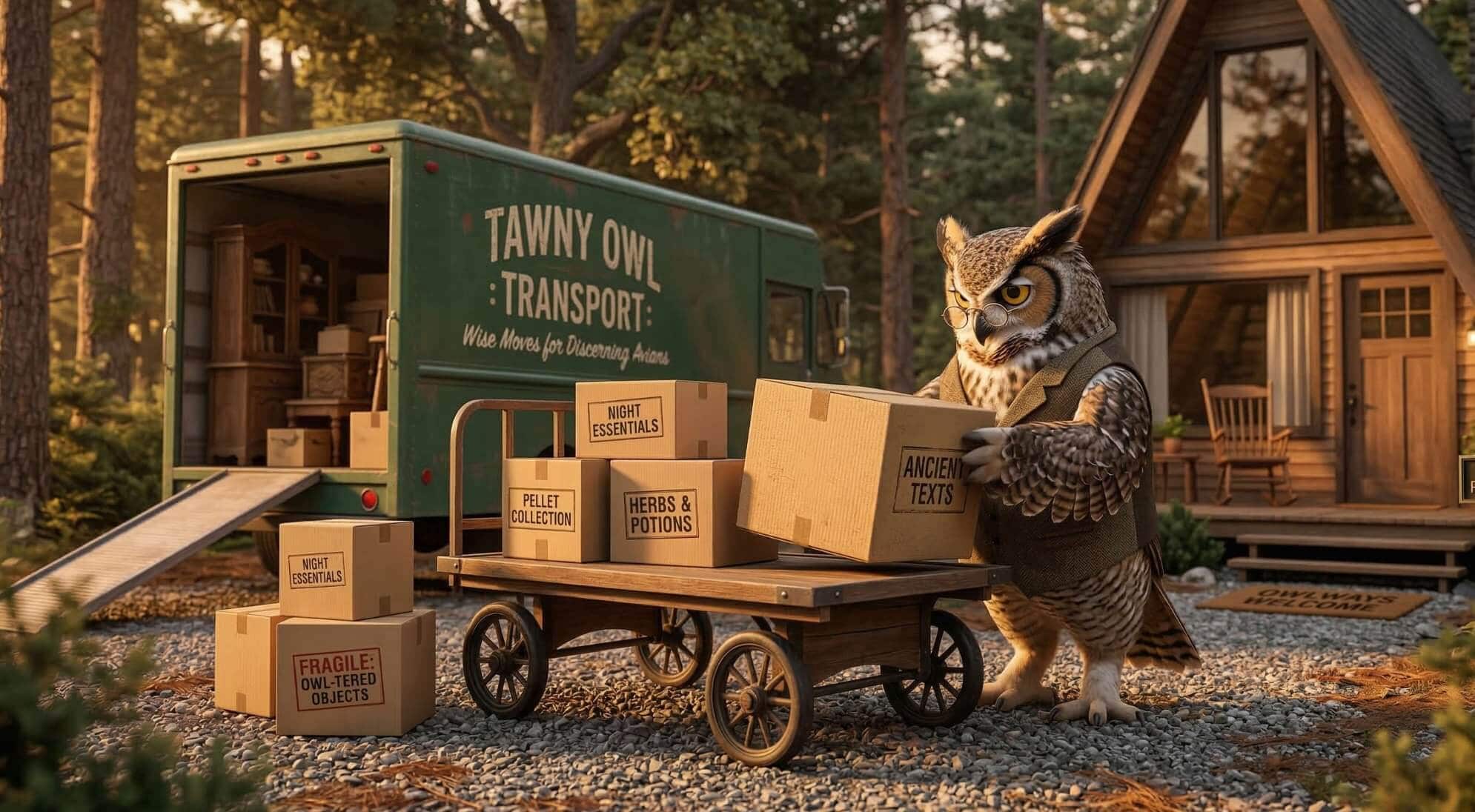
Moving to a new home is one of the biggest disruptions a bird can experience because you’re not just changing walls, you’re changing air pressure, acoustics, window light, and the entire rhythm of the household. Birds read environments deeply, and birds’ sensitivity to environmental change isn’t dramatic, it’s biological. The best thing you can do is recreate the familiar before you improve anything. Keep the same cage layout. The same perches. The same feeding bowls in the same spots. Put the cage in a relatively quiet corner at first, even if you plan to move it later. Talk the way you always talk. Use the same bedtime phrase. Familiar details are anchors, and your bird needs anchors more than aesthetic upgrades.
Prepping for the First Days
The first few days after a move can make you second guess yourself because your bird may act withdrawn or extra clingy. That doesn’t mean you’ve damaged the bond. It means your bird is assessing the new map. If you look into how long it takes birds to acclimate, you’ll see that adjustment is gradual. Watch for small signs of settling like steady eating, preening, soft chatter, or choosing to nap instead of staying hyper alert. Instead of forcing interaction, offer predictable touchpoints at the same time every day. A short training cue in the morning. A calm check in before lights out. Consistency is what rebuilds confidence.

Borrowing Human Transition Skills
There’s also something to be said for borrowing human transition skills when life feels messy. Training in healthcare, like what’s involved in an online healthcare degree, often emphasizes observation, early stress detection, and steady routines during change. You can apply that mindset at home. Notice baseline behavior before a transition. Watch for subtle shifts in appetite, sleep, vocalization, or feather condition. Create a simple daily plan you can follow even when you’re tired. Write it down if you have to. Structure protects both of you when everything else feels in motion.
Handling Move Day Itself
Move day itself deserves its own strategy because chaos is hard on prey animals. Boxes, strangers, doorways opening and closing, new smells everywhere. You want transport to feel controlled and contained. Focus on making the moving experience calm and secure rather than exciting. Use a stable carrier with a familiar lining. Keep the temperature steady. Limit visual overload by partially covering the carrier. Set up the cage first at the new place before you start unpacking everything else. When your bird’s “home base” is ready quickly, stress doesn’t have time to spiral.
Changing Your Work Schedule
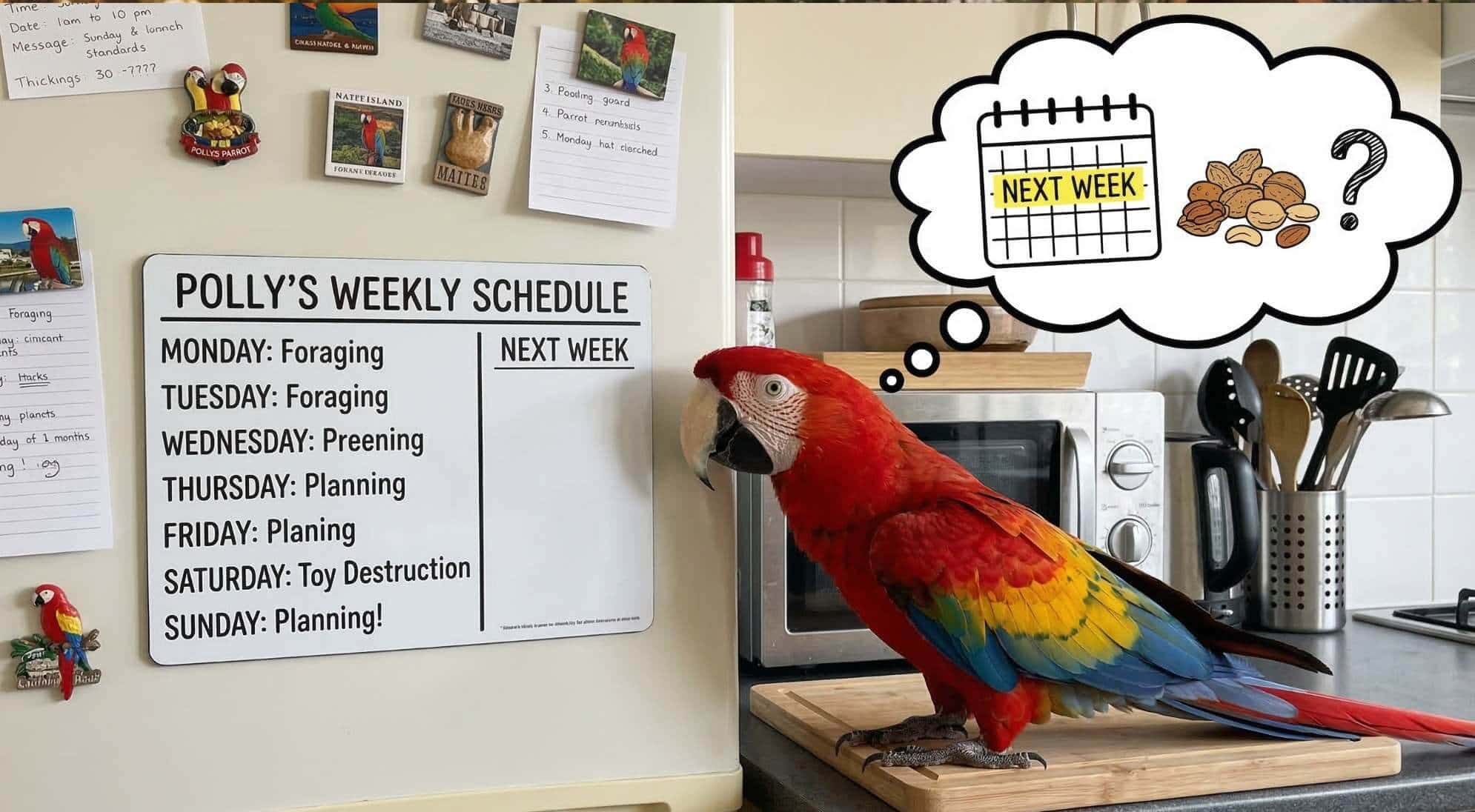
Changes in your work schedule can feel subtle to you but dramatic to your bird. Leaving earlier, coming home later, taking calls in another room, all of it shifts access and attention. Birds notice absence patterns immediately. That’s where pets’ mental health and stable routines become more than a headline. Build a reliable departure and return ritual. A consistent phrase. A small treat. A predictable goodbye. When you get home, resist the urge to overcompensate with frantic energy. Calm reconnection is better than emotional whiplash. Your bird needs rhythm, not intensity.
Welcoming a New Baby
Welcoming a new baby changes a household long before the baby arrives. New furniture. New sounds. New tension in the air. Birds sense that shift quickly, which is why understanding why pets respond to a baby’s arrival helps frame what’s happening. Before the baby comes home, introduce elements gradually. Play baby noises softly while offering treats. Establish where the bird’s quiet zone will be and protect it. Keep at least one small daily interaction that belongs just to your bird, even if it’s five focused minutes. Familiar connection reduces the sense of displacement.
Shifting Household Dynamics
Sometimes the change isn’t a move or a baby. It’s a roommate. A breakup. A new partner. A shift in family energy. Birds can attach strongly to one person and feel unsettled when that person’s mood or availability shifts. They are perceptive creatures, and how pets mirror owners’ routines and emotions shows up clearly in multi person households. If tension is higher, double down on structure. Keep feeding times stable. Keep bedtime consistent. Make handling rules clear across everyone in the home. When your bird knows what to expect from each person, anxiety drops.
Your bird isn’t resisting your life. Your bird is trying to understand it. When you lead with predictability, protect quiet spaces, and keep connection steady, transitions become manageable instead of overwhelming. You don’t have to prevent change to support your bird well. You just have to translate change into something that still feels safe.