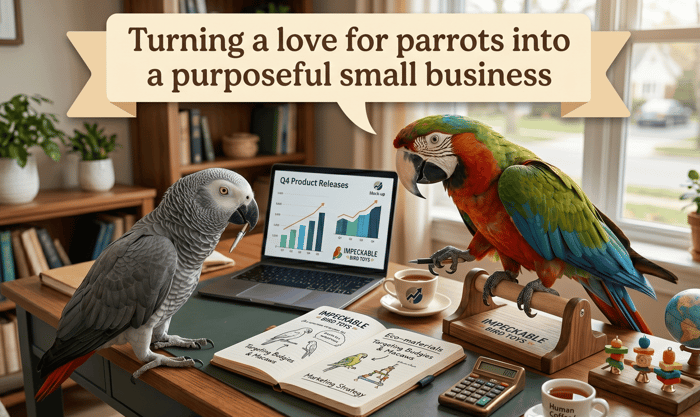
Parrot and companion bird enthusiasts often develop deep, specialized knowledge about avian care, behavior, and enrichment. Companion birds—from parrots and conures to cockatiels and budgies—require thoughtful handling and long-term commitment. For those who are passionate about these intelligent animals, building a small business around that expertise can create meaningful income while strengthening the bird-keeping community.
Quick Highlights
- Bird-focused businesses allow enthusiasts to earn income while supporting responsible avian care.
- Services can range from creative work to hands-on care and behavior consulting.
- Trust, safety, and species-specific knowledge are essential foundations.
- Business and organizational skills determine long-term sustainability.
- Education-based offerings can expand reach beyond local clients.
Creative Services for Bird Lovers
Some of the most natural business ideas start with creativity. Parrots and companion birds are expressive, colorful, and full of personality, making them ideal subjects for artistic work.
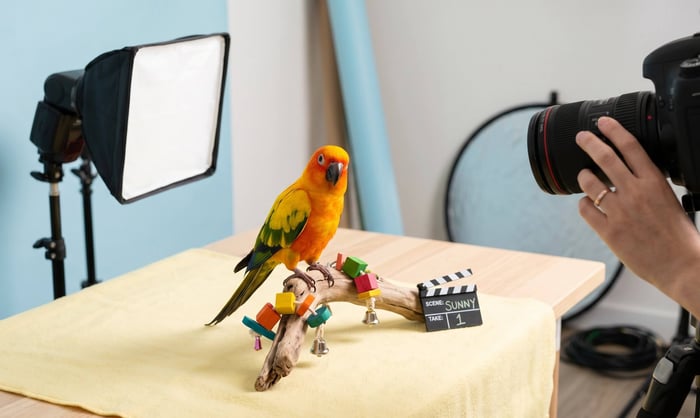
Bird portrait photography offers in-home or carefully staged sessions that prioritize safety and comfort. Custom artwork—paintings, digital illustrations, or handcrafted pieces—gives owners a way to celebrate their birds as family members. These services succeed when the provider understands avian body language and minimizes stress during sessions.
Creative businesses do more than produce beautiful images. They strengthen the human-bird bond and celebrate responsible ownership.
Care-Based Services for Traveling Owners
Travel creates anxiety for many bird owners who worry about disrupted routines. Bird-sitting and boarding services fill a real and recurring need.
Understanding service structures helps clarify what works best in your area.
Service Type | Location | Best For | Key Focus |
Client’s home | Birds sensitive to change | Routine consistency | |
Home-Based Boarding | Your residence | Social, adaptable birds | Sanitation and species separation |
Dedicated Facility | Commercial space | Multiple or long-term boarders | Licensing and biosecurity |
Bird care services require strict feeding schedules, enrichment planning, cage maintenance, and careful monitoring of health changes. Clear communication with owners builds trust and repeat business.
Training and Behavior Consulting
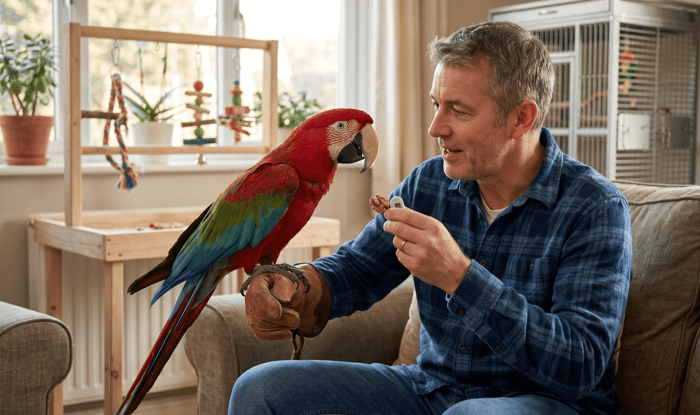
Many companion bird owners face challenges such as biting, excessive screaming, or feather-destructive behavior. A training and behavior consulting service can provide structured, positive reinforcement–based solutions.
Consultants often conduct home visits or virtual sessions to assess the bird’s environment and daily routine. Services may include enrichment plans, recall training, cooperative care guidance, and step-by-step behavior modification strategies.
This type of business has a community impact. By helping owners understand behavior rather than blaming the bird, consultants reduce rehoming and improve welfare outcomes.
Educational Content and Community Resources
Not all bird businesses involve direct handling. Educational services can reach a broader audience through workshops, digital guides, and online content.
Here are examples of focused offerings:
- Beginner care guides for first-time parrot owners
- Species-specific enrichment plans
- Behavior troubleshooting webinars
- DIY toy and foraging tutorials
- Membership communities with Q&A sessions
Education-based businesses position you as a trusted resource while expanding beyond geographic limits.

Strengthening the Business Side of Your Venture
Passion alone does not sustain a company. Entrepreneurs must manage budgeting, scheduling, marketing, and client communication with consistency. Understanding pricing strategy, branding, and operations ensures that services remain reliable and profitable over time. For individuals who want to build stronger management skills while developing a bird-centered enterprise, pursuing formal business education can be one option. This may help you develop financial literacy and operational clarity which allows bird-focused ventures to move from hobby status to structured small businesses.
Laying the Groundwork Before Launch
Preparation builds confidence and credibility. Before offering services, take time to structure your approach carefully.
- Define your specific niche within the bird community.
- Research zoning laws, licensing requirements, and insurance needs.
- Draft written agreements outlining care standards and responsibilities.
- Create emergency protocols for illness or injury.
- Establish clear pricing based on time, expertise, and overhead.
- Develop simple marketing materials that highlight your specialization.
Intentional planning reduces risk and demonstrates professionalism.
Bird Business Launch FAQ
If you are seriously considering starting a bird-focused venture, these common questions can help clarify next steps.
How much experience should I have before starting?
Hands-on experience with multiple companion bird species is essential. You should understand nutrition, enrichment, and common behavioral patterns. Starting small allows you to refine systems while building confidence.
Do I need insurance for bird-sitting or boarding?
Liability insurance is strongly recommended. It protects you in case of accidents or property damage and reassures clients that you operate responsibly. Professional safeguards build trust quickly.
How can I set fair pricing?
Research local pet-care rates but account for your specialized bird knowledge. Consider travel time, supplies, cleaning, and administrative work. Transparent value communication justifies premium pricing.
Is certification required for training services?
Certification may not be legally required, but it increases credibility. Programs that emphasize positive reinforcement and avian behavior strengthen your expertise. Ongoing education keeps your methods current and humane.
Can I start part-time?
Yes. Many successful bird entrepreneurs begin with weekend sessions or limited client loads. Gradual growth allows you to test demand before scaling.
What makes a bird business stand out?
Specialization and consistency make the difference. Owners notice when a provider understands species differences and prioritizes welfare. Clear policies and responsive communication further enhance reputation.
Conclusion
Companion bird enthusiasts already possess rare insight into the needs of intelligent, sensitive animals. By channeling that knowledge into photography, boarding, consulting, or education, bird lovers can build meaningful small businesses rooted in service. With thoughtful preparation and strong management practices, a passion for parrots can evolve into a sustainable enterprise that supports both birds and the people who care for them.